

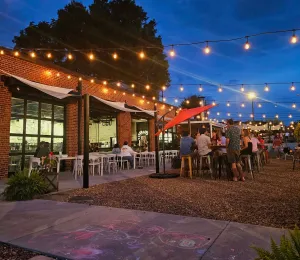
Bethabara is Founded
The original Moravian settlement of Bethabara is established, shaping the frontier life through their faith, trade, and innovation. This sets the scene for the future of the city soon to come.

Salem Established
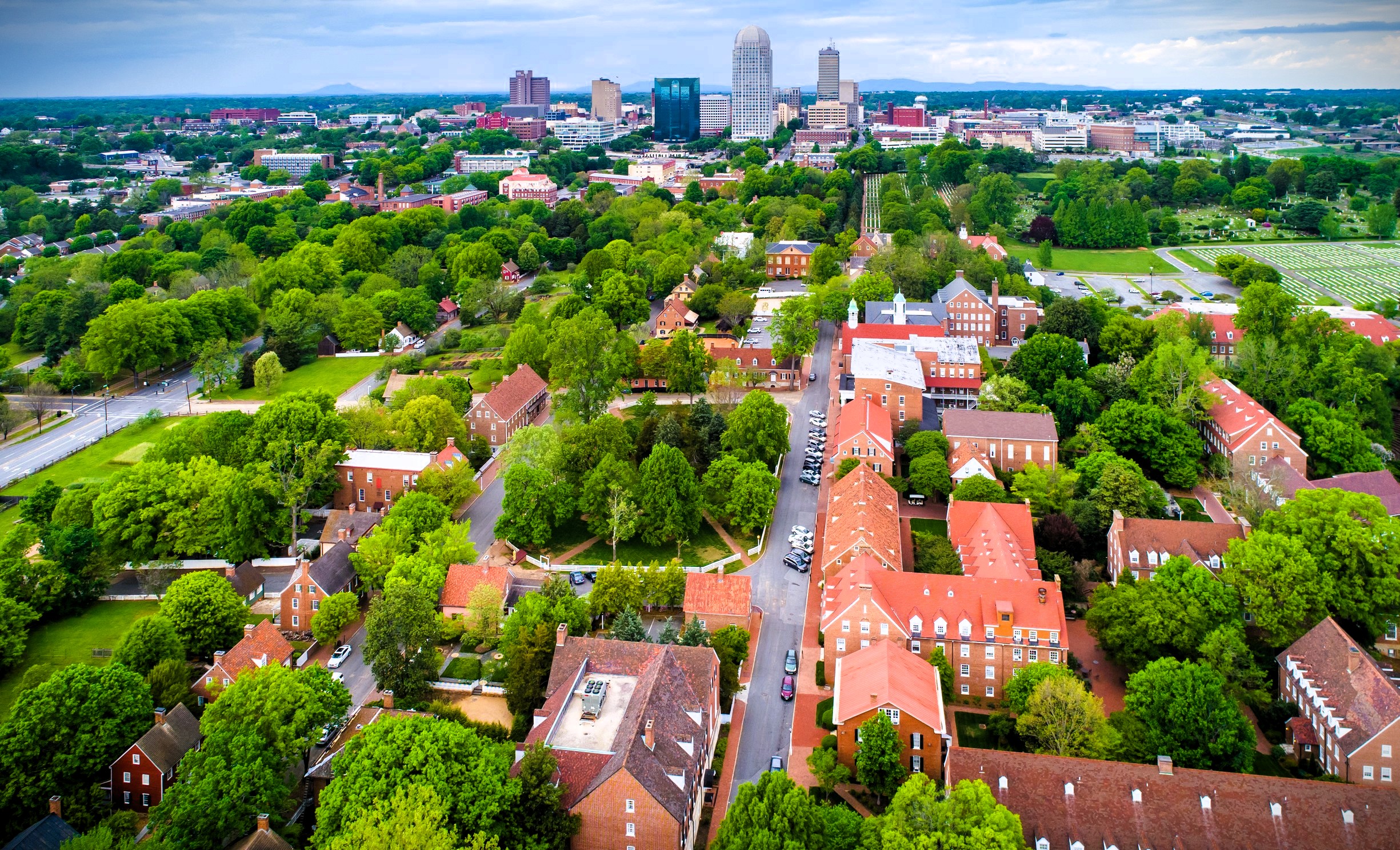
The Moravian settlers established the formal town of Salem, the permanent settlement that is now represented in Old Salem Museums & Gardens.
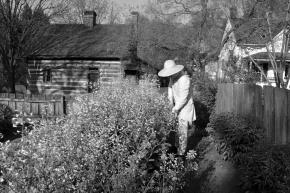
Emancipation Proclamation
In May of 1865, the Emancipation Proclamation was read at St. Phillips Moravian Church by Rev. Seth G. Clark- announcing the end of slavery for the towns black residents.

RJ Reynolds Arrives
At just 24 years old, RJ Reynolds purchases land in the town of Winston and establishes his first tobacco factory, sparking the towns' rise as a national industrial powerhouse.

Two Towns Merge
The towns of Winston and Salem official merge together to become one city- Winston-Salem- forming a shared civic and cultural identity.

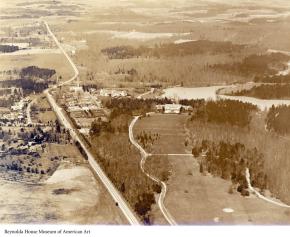
Reynolda House is Build
Over the course of their first 14 years of marriage, Katharine Reynolds purchased land outside of Winston and build Reynolda House and Gardens. The family moved in officially just before Christmas in 1917. Fun fact: the greenhouse was completed first in 1913!
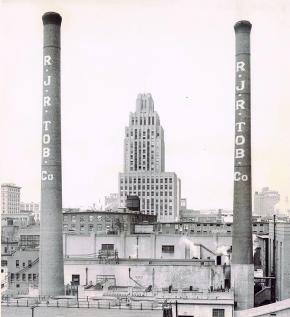
RJ Reynolds Building Completed
In April of 1929, the skyline in Winston-Salem was forever changed with the completion of the RJ Reynolds building, becoming the tallest building in the south and the corporate headquarters for the RJ Reynolds Tobacco Company. Fun Fact: this building was used as the architectural inspiration for the Empire State Building!
Civil Rights Demonstrations
In February of 1960, Carl Wesley Matthews began the city's sit-in demonstration and was soon joined by students from Winston-Salem Teachers College, Atkins High School, and Wake Forest College.

UNCSA Opens
The University of North Carolina School of the Arts (UNCSA)- America's first public arts conservatory- opens to the public, shaping a lasting creative legacy for generations to come.

National Black Theatre Festival
The National Black Theatre Festival- now the International Black Theatre Festival- held it's inaugural event in 1989. Today, this biennial international festival of theatre and the arts brings black theatre from around the world to Winston-Salem.

Future Forward
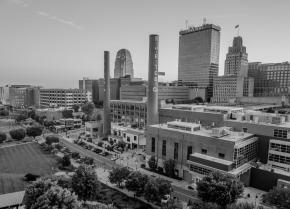
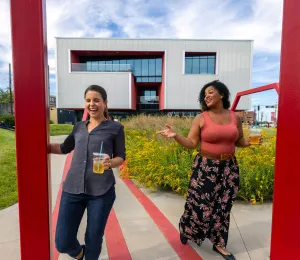
Starting in the early 2000s, the vision for the city of Winston-Salem changed with the revitalization of downtown. Historic factories and buildings were preserved, restored, and repurposed from industrial hubs to corridors of art and innovation. Winston-Salem's legacy of innovation continues through today and into tomorrow.