


Moravian 101: What is a Moravian?
Get to know the centuries-old faith shaped Winston-Salem's earliest communities — and still influences the city today.
Visitors exploring Winston-Salem quickly notice the word “Moravian.” It appears on churches, bakeries, historic sites, and holiday traditions across the city.
But many first-time visitors wonder: What exactly is a Moravian?
The answer begins more than 600 years ago in Central Europe and leads directly to the founding of Salem, the historic town that eventually became part of modern Winston-Salem. The Moravians were a Protestant faith community known for their strong sense of mission, careful town planning, and a culture rooted in craftsmanship, faith, and cooperation. Their influence helped shape the character of Winston-Salem, and their traditions remain part of everyday life in the city today.
A Brief History of the Moravians
The Moravian Church traces its origins to the 1400s in the regions of Bohemia and Moravia, now part of the Czech Republic. This makes it one of the oldest Protestant denominations in the world, predating Martin Luther and the Protestant Reformation by nearly a century.
After facing religious persecution in Europe, Moravian refugees found protection in the early 1700s on the German estate of Count Nicolaus Zinzendorf, who welcomed them to settle in the town of Herrnhut. There they rebuilt their church community and developed a strong tradition of missionary work. In fact, Moravians became one of the first Protestant groups to organize large-scale global missions. That spirit soon carried them across the Atlantic.
In 1735, Moravian missionaries arrived in colonial America and attempted to establish a settlement near Savannah, GA. When that effort proved difficult, they moved north and successfully established a community in Bethlehem, PA. From there, Moravian missionaries spread throughout the colonies, serving frontier settlers and Native American communities while continuing to grow their church.
But Moravian leaders had a larger vision for the American South, one that ultimately led them here.
Establishing Wachovia (Winston-Salem)
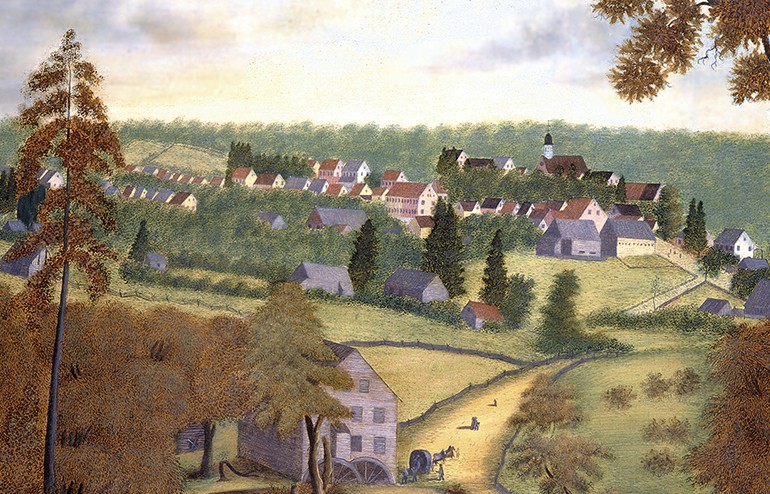
In 1753, Moravian leaders purchased nearly 100,000 acres in North Carolina, a tract they named Wachovia. Later that year, 15 Moravian men traveled more than 500 miles south from Pennsylvania, following the rugged Great Wagon Road through forests, mountains, and river crossings. Their journey took over a month during harsh winter conditions, but their mission was clear: build a new community rooted in faith, cooperation, and careful planning.
In December 1753, they founded Bethabara, the first Moravian settlement in the South. Six years later came Bethania, designed as an open village where both Moravians and non-Moravians could live and trade together.
But the Moravians envisioned something more: a central town that would serve as the spiritual and administrative heart of the Wachovia tract. That town became Salem, founded in 1766.
Salem was carefully planned and organized around church life, skilled trades, and shared values of faith and community. Craftspeople, clergy, and families lived and worked within the town’s orderly structure, creating a thriving settlement that became the cultural center of Moravian life in the South.
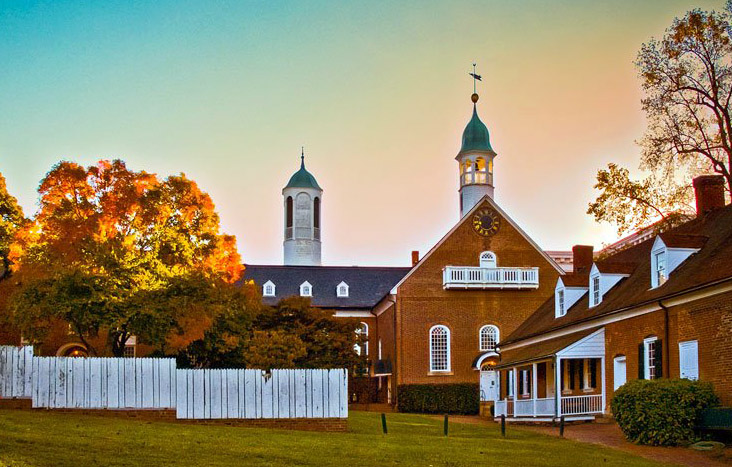
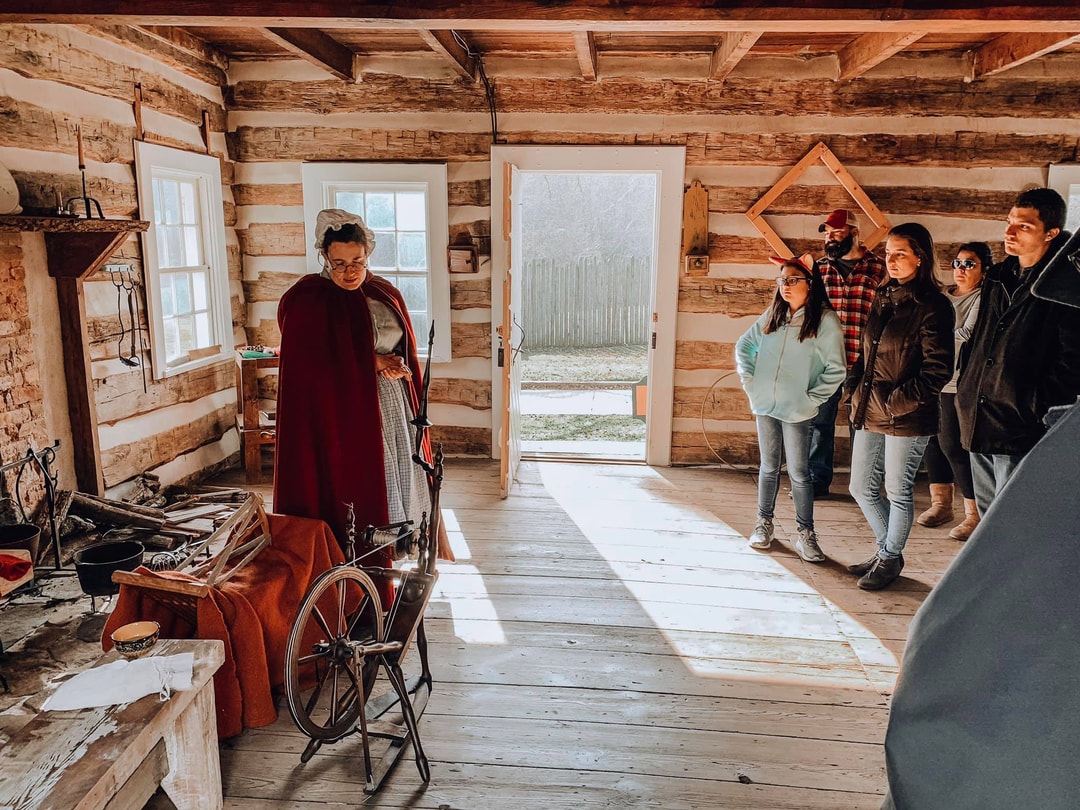
Today, visitors can experience that history at Old Salem Museums & Gardens, where restored buildings and costumed interpreters bring the early Moravian town to life. Nearby, Historic Bethabara Park preserves the original settlement site, while Historic Bethania remains both a living community and a National Historic Landmark. Together, these sites tell the story of the Moravians who helped lay the foundations for modern Winston-Salem.
What Makes a Moravian?
Despite the unfamiliar name, the Moravian Church is a Protestant Christian denomination, sharing many core beliefs with traditions like Lutheranism and Methodism. What distinguishes Moravians is their strong emphasis on humility, unity, simplicity, and grace.
Their guiding motto reflects this spirit: “In essentials, unity; in non-essentials, liberty; in all things, love.”
Rather than focusing on rigid doctrine or theological debate, Moravians emphasize living out the teachings of Christ through community, compassion, and fellowship. They believe the Bible contains everything necessary for salvation while acknowledging that some spiritual mysteries cannot be fully explained.
While similar to other Protestant faiths, several practices and traditions set Moravians apart:
• Communion is typically observed a few times each year and is open to baptized adults from any Christian denomination.
• Baptism is performed by sprinkling rather than immersion and may be given to children or adults.
• God’s Acre, the Moravian name for their cemeteries, features simple, uniform gravestones symbolizing equality before God.
• Church leadership includes Deacons, Presbyters, and Bishops, though Moravian bishops serve primarily as spiritual leaders rather than administrators.
• Unity and fellowship are central values, with Moravians historically emphasizing cooperation over division within Christianity.
• Unity and fellowship are central values, with Moravians historically emphasizing cooperation over division within Christianity.
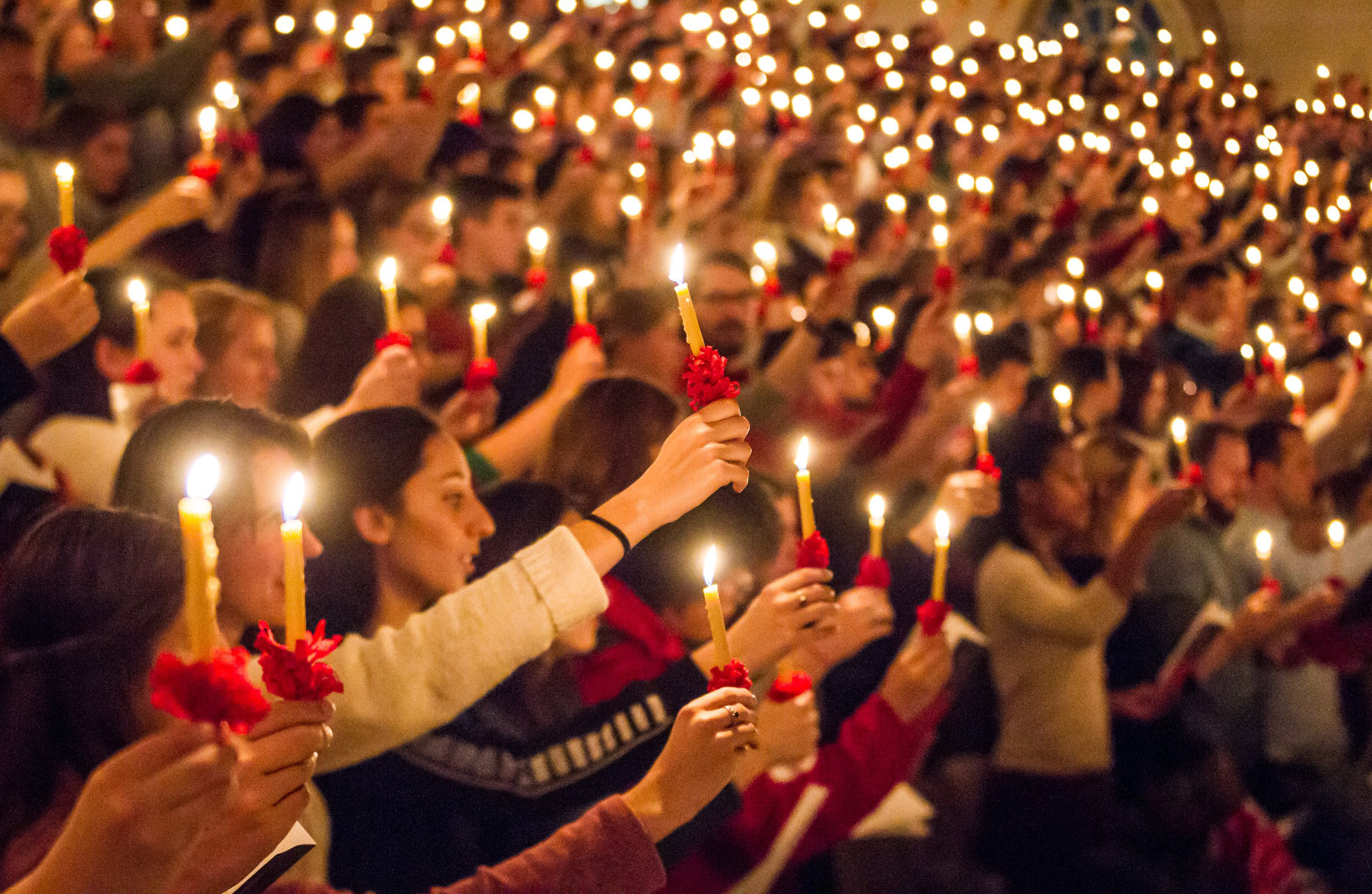
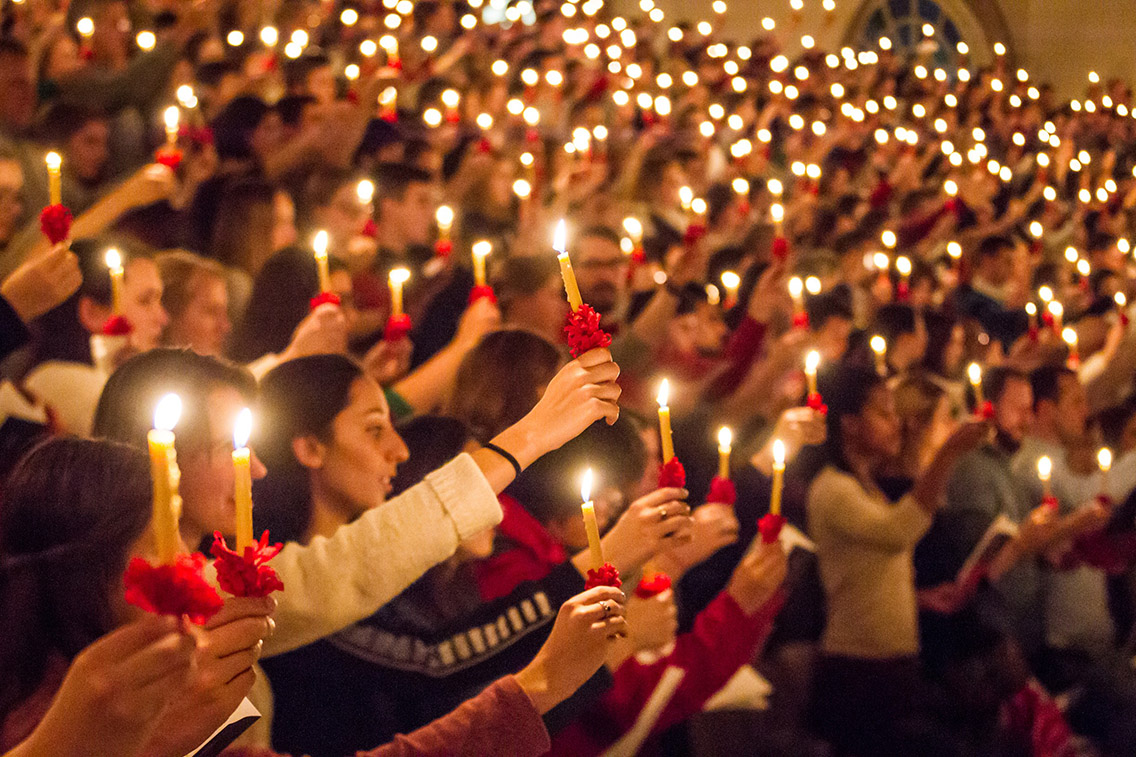
• Lovefeasts are simple worship service centered on fellowship, music, and breaking bread. Congregants share a sweet bun (aka, Lovefeast bun) and coffee while hymns are sung. Lovefeasts occur several times during the year, but the Christmas Eve Lovefeast is especially poignant, when the glowing light of beeswax candles fill the sanctuary.
Moravian Traditions You Can Experience in Winston-Salem
Even if you have never heard of the Moravian Church, you have likely encountered its traditions while visiting Winston-Salem. Many of the city’s most recognizable cultural elements trace back to its Moravian roots.
Even many of the words you hear in the city trace back to the Moravians, starting with the word Salem itself. which comes from the Hebrew word shalom, meaning peace. Then there's Wachovia, the original 100,000-acre tract purchased by the Moravians in 1753 (modern day Forsyth County). The name comes from an Austrian estate once owned by Count Zinzendorf’s family.
Here are some uniquely Moravian traditions you can see, taste, and experience today.
Moravian Cookies
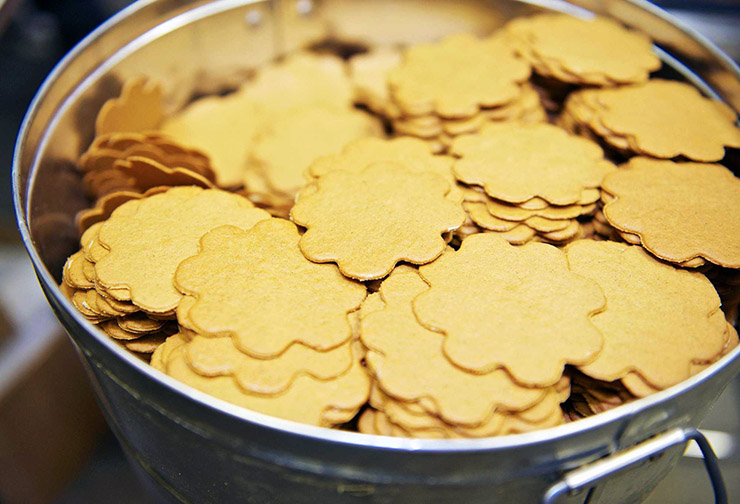
Thin, crisp, and delicately spiced, Moravian cookies originated in early Salem bakeries and are now enjoyed across the country. Visitors can sample them at local bakeries such as Mrs. Hanes’ Moravian Cookies, which has been baking the delicacy for generations, and purchase them at spots like Winkler Bakery in Old Salem, America's oldest continuously-operating bakery.
Candle Tea
Held for nearly a century at the Single Brothers’ House, Home Moravian Church’s annual Candle Tea celebrates the anticipation of Advent and Christmas. Guests move room-to-room in small groups, experiencing Moravian traditions such as candle-making, carols on a historic organ, and samples of coffee and sugar cake. The tour concludes with “The Putz,” a miniature recreation of a snowy 18th-century Salem on Christmas Eve.
A Culture of Craftsmanship
Moravian settlers were known for their skilled trades including woodworking, metalwork, baking, pottery, and textiles. That spirit of craftsmanship still shapes Winston-Salem today through its thriving community of artists, makers, chefs, and small businesses.
Moravian Stars
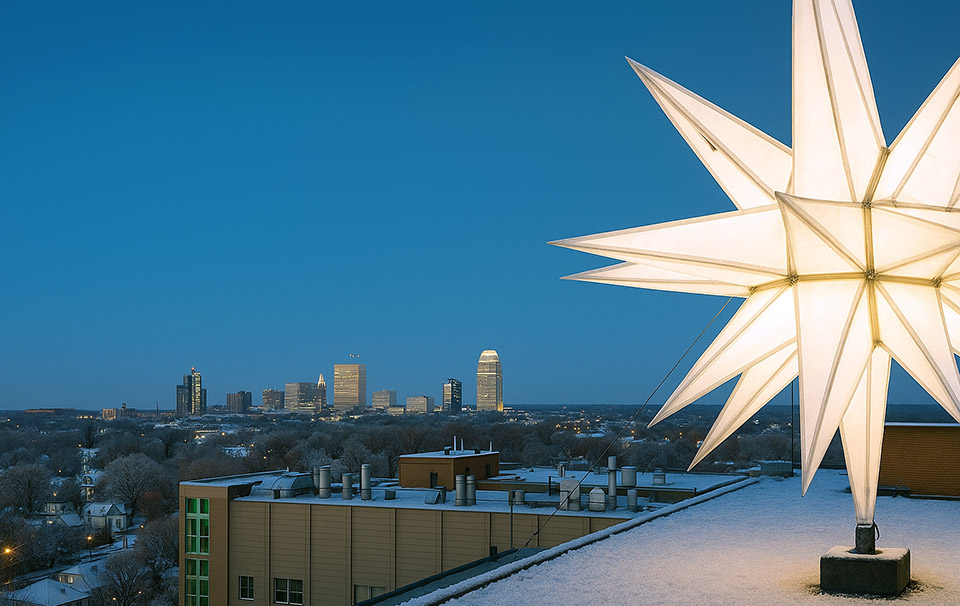
During the holiday season, glowing Moravian stars appear in windows and doorways across the greater Winston-Salem area. The multi-pointed star symbolizes the Star of Bethlehem and has become one of the region’s most recognizable Christmas traditions.
For a dramatic display, visit the Heritage Bridge in Old Salem, where dozens of stars illuminate the walkway each December. The largest Moravian star in Winston-Salem, nearly 35 feet tall, sits atop Wake Forest Baptist Medical Center. The hospital’s name may say Baptist, but the star reflects how deeply Moravian culture and symbolism remain woven into the city’s identity.
 Share
Share